Palmdale sits in the high desert, and the climate leaves its mark on every house. Strong sun, hot summers, chilly nights, dust, and gusty winds all wear on roofs, stucco, and cooling systems. A Palmdale Home Inspection helps buyers understand how well a house has handled that wear and what repairs may be coming. Whether you are shopping for a newer tract home or an older ranch style property, this guide covers what to watch for.
Homes in the Antelope Valley deal with big temperature swings. Roofs and exterior walls expand in daytime heat and contract in cooler nights. Over the years, this movement can loosen seals, crack stucco, and dry out materials. Intense sun also breaks down paint, sealants, and roofing surfaces faster than in milder areas.
An inspector who knows the region will pay extra attention to these patterns, since they are common causes of repair bills.
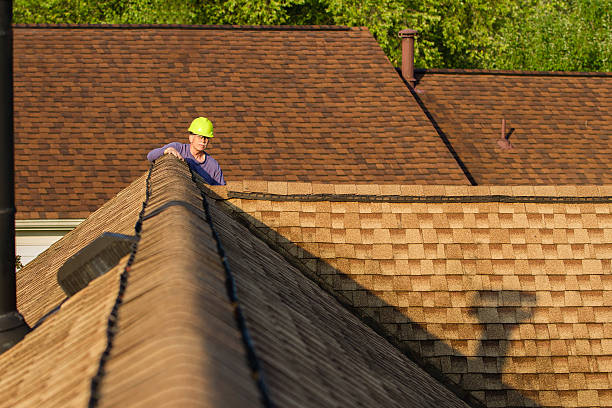
Strong sun and heat shorten the life of many roofing materials. Inspectors look for curling or cracked shingles, worn tile, loose flashing, and dry or brittle sealant around vents and chimneys. Granules from asphalt shingles can wash into gutters as the surface ages. In windy weather, loose pieces can lift or blow off.
If the roof is near the end of its life, ask for an estimate to repair or replace it. This is a major cost that can change your negotiation.
Hot summers push air conditioning units to their limits, and cold winter nights call on heating equipment as well. Inspectors check the age, condition, and performance of both. Ask about filter changes, duct condition, and service records. Older systems may still run but cost more to operate and could fail soon. Poor attic insulation and ventilation make the problem worse by letting heat in during summer and out during winter.
Gusty winds and blowing dust can damage fences, patio covers, and exterior finishes. They can also clog vents and filters and wear down paint. Inspectors check for loose siding, damaged screens, worn weatherstripping, and gaps around windows and doors where dust and air can enter. Sealing these areas can lower energy costs and improve comfort.
Many homes in the area have stucco exteriors. Hairline cracks are common, but wider cracks or cracks that keep growing deserve a closer look. Inspectors also check the foundation, slab, and surrounding drainage for movement or poor water flow. Because the region is near active fault lines, visible foundation cracks and signs of past repairs should be taken seriously. If anything looks unusual, a structural engineer can give a clearer answer.
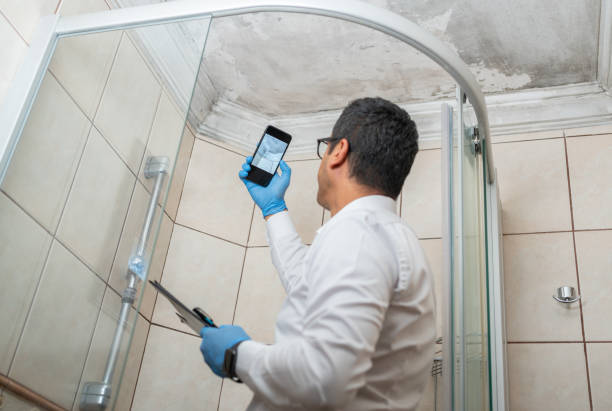
It may be dry most of the year, but heavy rain does occur and can overwhelm poor drainage. Inspectors look for ground that slopes toward the house, damaged gutters, and signs of past moisture. They also test plumbing for leaks and water pressure and check the water heater age and condition. Hard water can leave deposits that shorten the life of fixtures and appliances, so ask about any treatment systems.
Palmdale is part of a much bigger area, and home inspections Los Angeles County providers handle everything from coastal condos to desert tract homes. That variety is a reason to choose an inspector who is familiar with the Antelope Valley rather than someone who mainly works in other parts of the county. Local experience helps them recognize which signs are normal for the area and which are red flags.
Depending on the property, you may want more than a basic inspection.
Ask your inspector which of these fit your situation so you can plan your budget.
Attend the inspection, bring your questions, and ask for maintenance advice you can use after you move in. Keep the report as a long term guide for repairs. If you are buying a newer home, do not skip the inspection. Fast building schedules can lead to missed details that only a trained eye will notice.
The desert can be hard on homes, but with a clear picture of the roof, cooling system, stucco, and drainage, you can buy with confidence. Hire an inspector who knows the area, add tests that match the property, and use the report to plan and negotiate. A careful inspection today can save you from expensive surprises tomorrow.

This post has been authored and published by one of our premium contributors, who are experts in their fields. They bring high-quality, well-researched content that adds significant value to our platform.









London News delivers the latest breaking news, global updates, and trending stories. Stay informed with fast, reliable, and accurate journalism from around the world.
