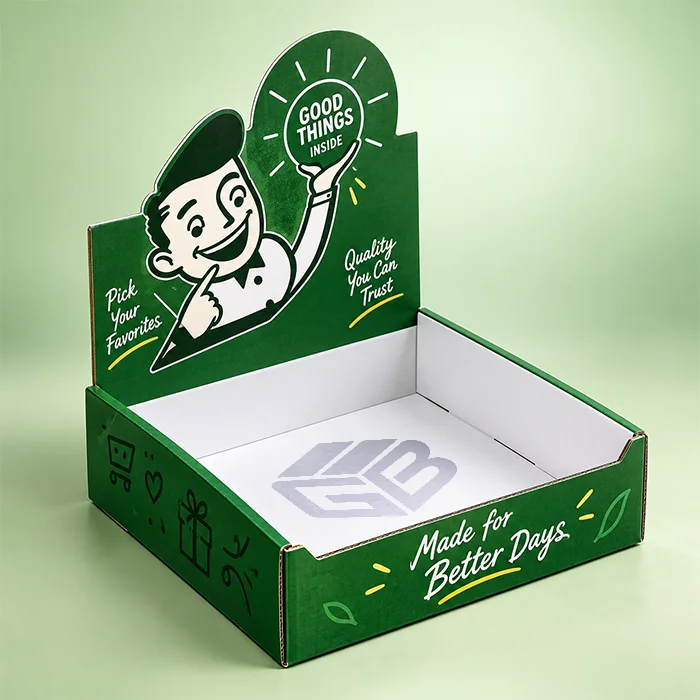
Custom cardboard packaging brings together protection, presentation, and practicality. Whether a business ships fragile items, displays products in retail settings, or sends orders directly to customers, the right cardboard package helps contents arrive safely while representing the brand clearly.
The strongest packaging begins with purpose. Before choosing colors, finishes, or structural details, establish what the package needs to do. Its contents, dimensions, handling process, and presentation should guide every decision from the beginning.
Custom cardboard packaging refers to boxes and related structures designed around a specific product or business need. Customization can include dimensions, materials, printing, inserts, closures, and finishing details.
Cardboard is a broad term, so buyers should request clear specifications rather than relying on a general description. Different constructions can look similar while serving very different purposes.
A useful package should feel intentional. It should protect the contents, make packing straightforward, and give customers a clear understanding of what is inside.
Before developing a structural design, look at what the box will contain and how it will move through the business.
A carton used behind a retail counter has different requirements from one handled repeatedly during deliveries. Likewise, a display package needs a different arrangement from a storage box.
Write down the essential details:
Product dimensions and packed weight
Number of items inside
Internal wrapping or inserts
Expected handling method
Storage and stacking arrangement
Information that must remain visible
This brief gives the design process direction and helps prevent appearance from becoming the only priority.
Different cardboard structures serve different needs. A folding carton may suit an individual retail product, while a corrugated shipping box provides added protection during delivery. A display format can organize several items for browsing, while a rigid construction may support a premium presentation.
Choose the simplest structure that meets the requirements. Extra layers and complicated folds do not automatically improve the package.
For multipacks, separation may be the main priority. For a single item, a straightforward carton may provide a cleaner presentation.
Every fold, closure, and insert should contribute to the finished experience.
Accurate measurements should include everything placed inside the package. Protective wrapping, dividers, inner boxes, and accessories all occupy space.
Confirm whether quoted dimensions refer to internal or external measurements. This distinction becomes especially important when planning clearance around handles, viewing areas, or internal supports.
Do not rely entirely on calculations. Fill a physical sample and check the arrangement.
The contents should sit naturally without excessive empty space or pressure against the panels. The closures should work without forcing the carton into shape.
“Cardboard” covers a range of paper-based constructions, so material selection should be specific. Ask about thickness, stiffness, surface, and how the proposed material behaves once cut and folded.
A lightweight presentation box has different demands from a structure holding several heavier products.
Inspect a loaded sample. Look for bending around openings, unstable supports, and pressure against the carton walls. Check whether repeated packing and unpacking affects the shape.
Where special contact requirements apply, request information relevant to the intended use rather than relying on a general material description.
Packaging must work during fulfillment, not just during a carefully staged product photograph. Complicated folds and unclear orientation can slow packing or lead to inconsistent results.
Run a realistic trial with the team responsible for assembling orders. Check how easily they can form the box, place it in position, and load the contents.
Consider whether instructions are necessary and whether similar-looking components could be confused.
A practical design should make the process repeatable. Small improvements to folds, tabs, or product placement can reduce unnecessary adjustment during routine packing.
Custom printing should help customers understand the product quickly. Begin with a simple information hierarchy rather than filling every panel.
The front typically introduces the brand and product. Other panels can provide supporting details, instructions, or relevant product information.
Depending on the item, the artwork may include:
Brand name and logo
Product name and variant
Quantity, size, or other identifying details
Instructions and care guidance
Relevant warnings
Barcode and batch information
Disposal guidance where appropriate
Keep important text away from folds, seams, and closure areas. Review the assembled box because a flat artwork file does not show every visibility issue.
Some products sit comfortably inside a correctly sized carton without extra components. Others benefit from an insert that holds them in position.
An insert can separate multiple items, support an unusual shape, or create a more organized presentation. However, it should not make the product difficult to remove.
Leave enough access for fingers to reach the contents naturally. Avoid a design that encourages customers to pull on fragile parts.
Evaluate the entire system together: outer carton, insert, product, and closure. Adding an insert changes the available space and may require adjustments to the box dimensions.
Some cardboard packages include openings for carrying, viewing, or ventilation. Each feature should have a clear purpose.
A handle opening should be assessed with the box fully packed. Its position needs to make sense relative to the contents and the way the carton will be carried.
A viewing window should reveal a useful part of the product, such as its appearance, label, or identifying feature. Test the arrangement with the actual contents inside.
Ventilation openings should address a specific product requirement rather than simply make the box look breathable. Their usefulness depends on the contents, internal arrangement, storage conditions, and surrounding packaging.
A digital mockup shows the visual concept, but a physical sample reveals how the package works.
Load the sample with actual products. Check its stability, visibility, assembly process, and ease of restocking. Review printed text at normal browsing distance rather than only examining it close up.
Confirm that price labels have somewhere to go and that they will not cover essential branding. Check folds, edges, and inserts for alignment.
Record the approved dimensions, materials, and artwork version so future production runs can follow the same specifications.
The best custom cardboard packaging does not rely on decoration alone. It makes products visible, gives shoppers a logical way to browse, and helps retail teams keep the range organized.
A thoughtful design combines an appropriate structure, dependable support, readable information, and manageable maintenance. When those elements work together, custom cardboard packaging becomes more than a branded container. It becomes a useful connection between the product, the retailer, and the customer.

This post has been authored and published by one of our premium contributors, who are experts in their fields. They bring high-quality, well-researched content that adds significant value to our platform.






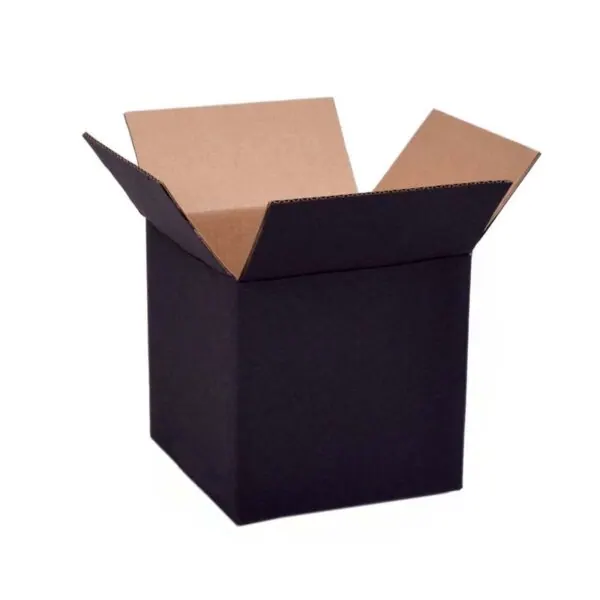



London News delivers the latest breaking news, global updates, and trending stories. Stay informed with fast, reliable, and accurate journalism from around the world.
