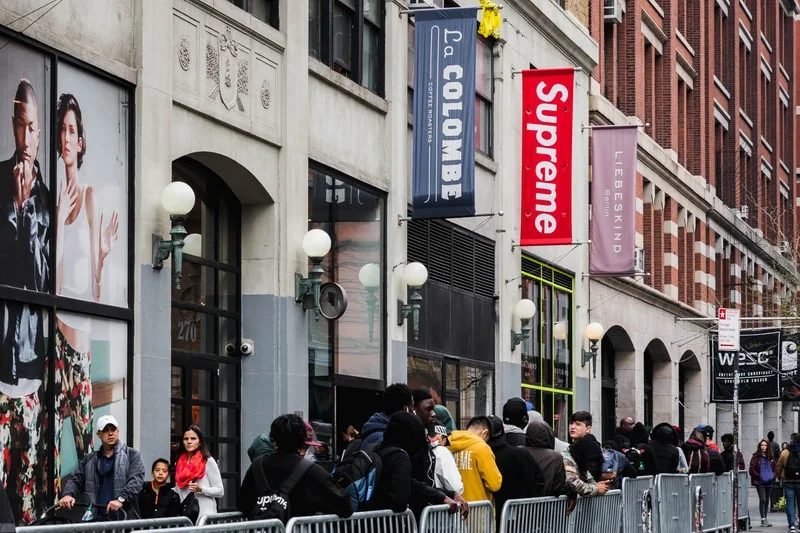
Many creative projects begin with a simple interest. Someone who enjoys graphic design might experiment with clothing illustrations, while a music enthusiast may become interested in the visual identity surrounding artists and independent labels. Streetwear provides a natural meeting point for these interests because it combines everyday garments with opportunities for artistic expression. Supreme Clothing is part of a broader fashion conversation in which design, cultural influences, and personal identity contribute to the appeal of casual apparel. For aspiring entrepreneurs, understanding these connections can help them recognize how creativity influences the way people discover, interpret, and connect with clothing.
A strong fashion concept needs more than an attractive logo or an unusual color combination. It benefits from a clear visual direction, an understanding of the intended audience, and attention to how garments will be worn in everyday life. Some concepts focus on minimal designs, while others use expressive graphics, unusual proportions, or distinctive color palettes. The most effective approach depends on the purpose of the project and the people it aims to reach. Studying different styles can provide useful inspiration, but original ideas become stronger when they reflect a genuine creative perspective rather than copying an existing identity.
Streetwear draws influence from music, skateboarding, art, sports, and urban communities. These connections help explain why people may appreciate clothing for reasons beyond its practical function. A garment can represent a visual preference, a cultural interest, or a connection to a particular creative scene. Someone researching Supreme London may be exploring the relationship between streetwear and an urban fashion environment. For entrepreneurs, observing these wider influences can provide insight into how audiences respond to design and storytelling. Market research is most useful when it identifies genuine customer interests instead of relying entirely on temporary popularity.
Creative ideas become more useful when they translate into garments people can comfortably wear. Fit, fabric, construction, sizing, and ease of care all affect the experience of owning clothing. A graphic hoodie, for example, needs to balance its visual design with practical considerations such as sleeve length, overall proportions, and fabric weight. A Supreme Hoodie can serve as a reference point when studying how hoodies fit into contemporary casual styling, although any independent product concept should have its own identity. Thinking about real-life use helps designers connect creativity with the practical expectations of customers.
Visual consistency helps a fashion project communicate its character. Color choices, typography, photography, packaging, and product presentation can all contribute to a recognizable identity. Consistency does not mean every design must look identical; rather, different products should feel connected through a clear creative direction. A project might use a recurring color palette or a particular photographic style to make its collections feel cohesive. Before introducing numerous design elements, it is useful to identify the central idea that the project wants to communicate. A focused identity is often easier for customers to understand and remember.
Digital platforms allow independent creators to present their ideas, display product concepts, and communicate with potential customers. Clear product photographs, accurate descriptions, and consistent visual presentation help people understand what a garment offers. Behind-the-scenes content can also explain the creative process, from early sketches to final styling choices. However, a strong online presence depends on more than frequent posting. Useful information, honest presentation, and responsive communication help build trust over time. Creators should also respect other designers' intellectual property and avoid presenting copied artwork or branding as their own original work.
Launching a clothing project can become complicated when too many products are introduced at once. A focused initial collection may be easier to manage because it allows creators to concentrate on design quality, sizing, production requirements, and customer feedback. Basic tops, hoodies, or other suitable garments can provide a starting point, depending on the project's concept. A Supreme Hooded Sweatshirt may be relevant to research into hoodie styling and product presentation, but a new collection should distinguish itself through original creative decisions. Careful planning helps entrepreneurs evaluate their ideas before expanding into additional categories.
Creative enthusiasm needs to be supported by realistic planning. Fabric, manufacturing, packaging, photography, shipping, and customer service can all contribute to the cost of running a clothing business. Entrepreneurs should investigate these expenses before setting prices or committing to large production quantities. They should also seek reliable information about material composition, production standards, and supplier practices rather than making unsupported claims about quality or sustainability. Starting with manageable quantities may help reduce financial exposure while providing an opportunity to learn from actual customer responses. Thoughtful planning gives creative projects a stronger practical foundation.
Customer feedback can reveal which aspects of a product work well and which need improvement. Comments about fit, fabric, sizing information, photographs, and delivery expectations may help identify opportunities for change. Entrepreneurs should look for recurring patterns rather than making major decisions based on one isolated opinion. Honest communication is important when a product does not meet expectations, and clear policies can help customers understand their options. Feedback should guide improvement without eliminating the original creative vision. The aim is to develop products that serve customers while preserving the identity that makes a project distinctive.
Fashion trends can create opportunities, but they can also encourage creators to rush into ideas that do not suit their long-term direction. A more sustainable creative process involves observing trends while evaluating whether they genuinely support the project's identity. Sketching different concepts, testing color combinations, and collecting visual references can help creators explore ideas before investing in production. Not every experiment needs to become a commercial product. Some ideas are valuable because they teach designers what works and help them refine their approach. Allowing time for experimentation can lead to more thoughtful and original outcomes.
Creative entrepreneurship combines imagination with patience, planning, and a willingness to learn. A distinctive fashion identity develops through repeated decisions about design, product quality, communication, and customer experience. Streetwear offers many possibilities for people interested in connecting clothing with personal interests and contemporary culture, but long-term progress depends on more than visual appeal alone. By researching their audience, developing original ideas, managing costs carefully, and learning from feedback, aspiring entrepreneurs can build a clearer direction for their work. The strongest projects connect creative purpose with practical value and continue evolving without losing sight of what makes them unique.

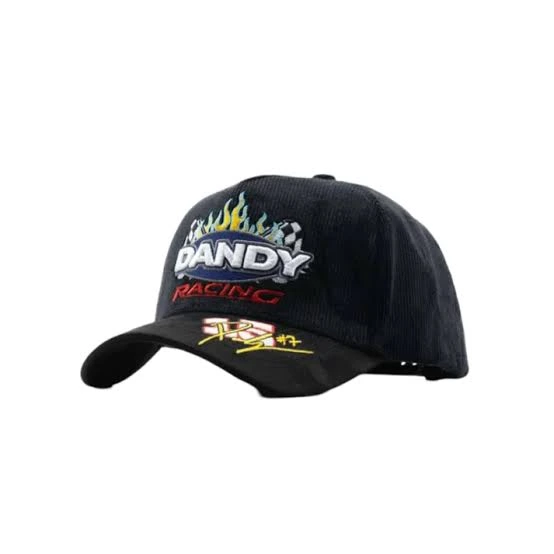
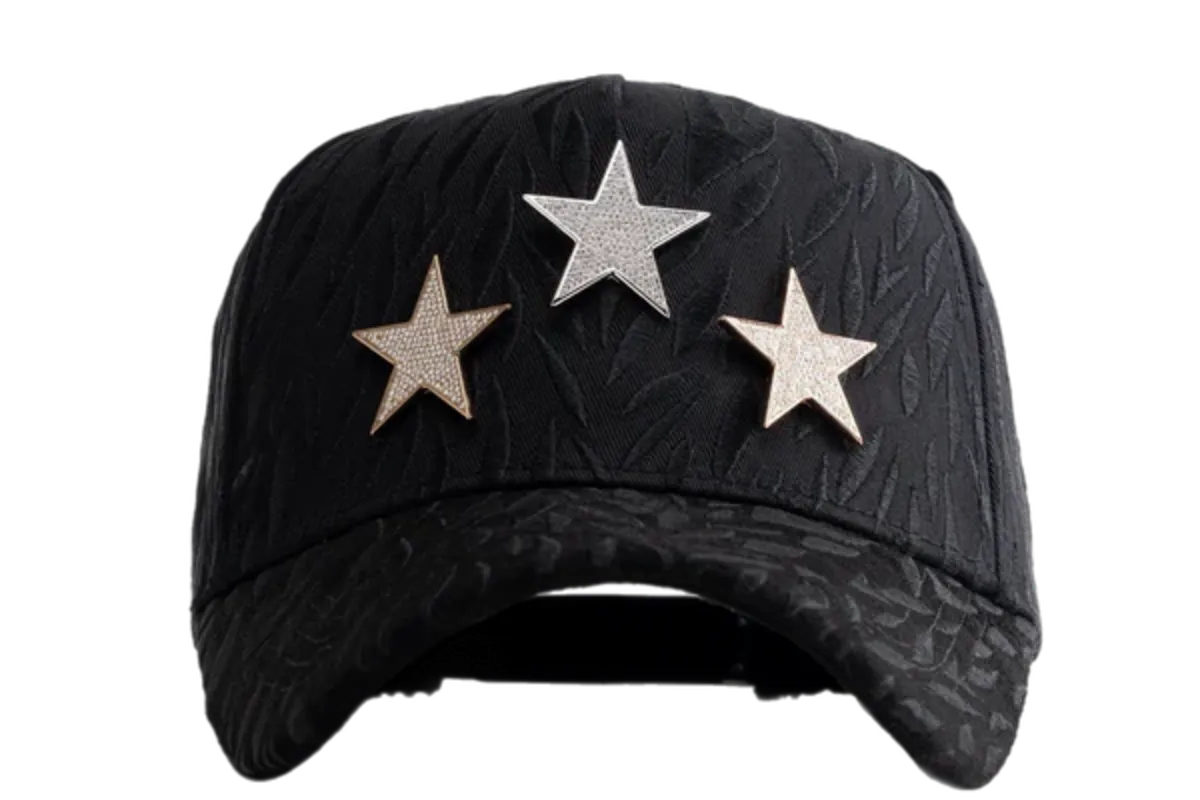
Descubre cómo el diseño, los colores y los detalles de las gorras influyen en tu estilo personal y en tus combinaciones de moda urbana.






London News delivers the latest breaking news, global updates, and trending stories. Stay informed with fast, reliable, and accurate journalism from around the world.
