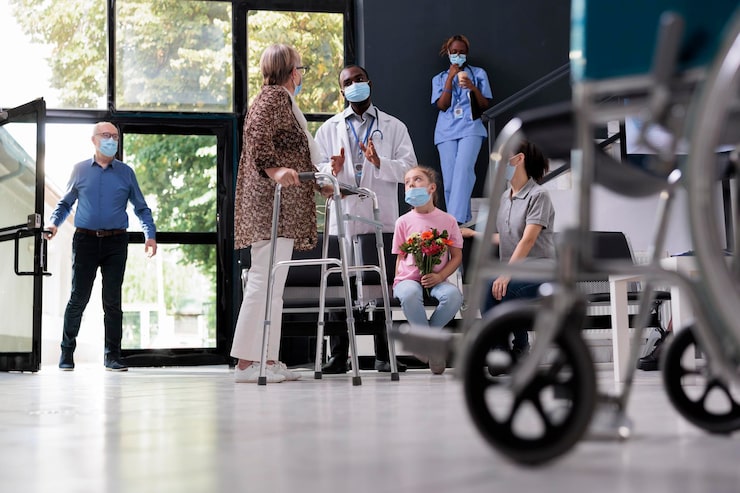
Are you facing problems gaining trust with your communities? Do you want a peaceful environment for treatment? You need effective communication, addressing concerns, and offering personalized care to build trust with communities.
In this blog we will discuss how hospitals develop long-lasting relationships with communities and offer services to save their lives.
Trust is the basic factor for a relationship to thrive. So, hospitals must focus on developing this relationship with the communities by offering them best healthcare services.
For example, a hospital in Pakistan working day and night just to provide the best healthcare services for their patients, this dedication creates a trust that changes patient care on a significant level.
And while healthcare continues to evolve, we ask our hospitals to create a strong, collaborative relationship with the communities they serve.
Here are some ways to develop trust.
The Importance of Community Trust in Healthcare
Building trust with communities is not only beneficial but also an essential way to maintain the reputation of a hospital. Those who may need treatment will avoid or delay receiving medical care because of distrust.
Patients’ trust can also play a role in their perception of the quality of care received. Patients who trust their healthcare providers recover soon by following their prescription carefully.
For example, lack of trust between the hospitals and the community due to crises like pandemics or natural disasters is influencing the lives of many patients.
Effective Communication: Key to Building Trust
Communication is one of, if not the most important, factors in building trust. When it comes to their services, hospital and health care executives should be as upfront with the community about policies, changes in health care protocols
This involved everything from communicating with the steps the hospital had taken to explaining treatment options in a way that was easy to understand.
When a hospital makes an effort to give explanations to patients and address their concerns while attempting to put them at ease, it begins the process of establishing a relationship between the hospital and its patients.
If a hospital can educate the community and maintain open lines of communication which will lead to an increase in trust and confidence.
Engaging with the Community
Trust development is not only the way you communicate but also what you do to be part of our community. Hospitals can impact community health by conducting free screenings, providing educational programs, and assisting with local events.
These activities create awareness about health and also show the concern of a hospital for the people in its surroundings.
Hospitals demonstrate their commitment to the health of residents in their community by conducting events that identify mere health concerns and connecting them with the resources they need.
Quality of Care and Transparency
Another important component of trust is a hospital’s identity as an entity that delivers quality care. Any hospital should be able to provide high-quality, compassionate care.
For example, the best hospital in Multan, which made not just medical expertise their identity but also made sure that every patient was heard during and after the treatment process.
It helps create consistent results, which gives the patients confidence in the hospital to take care of their health. When patients are satisfied, they stay cooperative during the whole procedure.
Building Relationships Through Patient-Centered Care
One of the most important means to achieve trust is by engaging in patient-centered care. This level of personalization, where a patient is at the center of every single medical decision, given that their needs, preferences, and values have to be respected.
However, by following this model, hospitals can prove that they are dedicated to providing not only appropriate medical care but also compassionate, specific care that is relevant to the circumstances of each patient.
The patient-centered care ensures a strong connection between the hospitals and the patients. Healthcare providers must know the needs, previous medical history, and lifestyle of patients.
The Role of Hospital Staff in Building Trust
Trusted relationships are not only confined to healthcare institutions, but people can share their honest review with others and suggest them to do procedures form same healthcare facility.
Both doctors and nurses, as well as support staff who clean the touches that can spread infections, play a key role in establishing and maintaining trust.
A clean hospital environment, empathetic, and professional staff build and leave impressions of the hospital that rely largely on its visitors’ experience.
Trust does not depend upon successful operations, but the hospital staff’s ability to provide emotional support and having patients feel that they matter is another component to building long-term trust.
If hospitals are committed to making patients feel secure and supported, their medical staff are at the forefront to maintain the hospital’s reputation in the community.
Final Thoughts
Trust between hospitals and communities can continue to be established through continual effort, genuine commitment, purpose-driven transparency, and robust engagement.
By taking steps to articulate, engage with the community and deliver top quality care; hospitals will be able to create a bond of trust with the people they serve.
But when a hospital embraces this value and instills it among its staff, health outcomes can deteriorate substantially in the absence of these key values set into practice.
Let’s start together to boost the hospital’s reputation by promoting its overall health services and the well-being of the community.
Also Read: Pediatric Dentist Idaho Falls: 2026 Child Oral Health & Care Guide