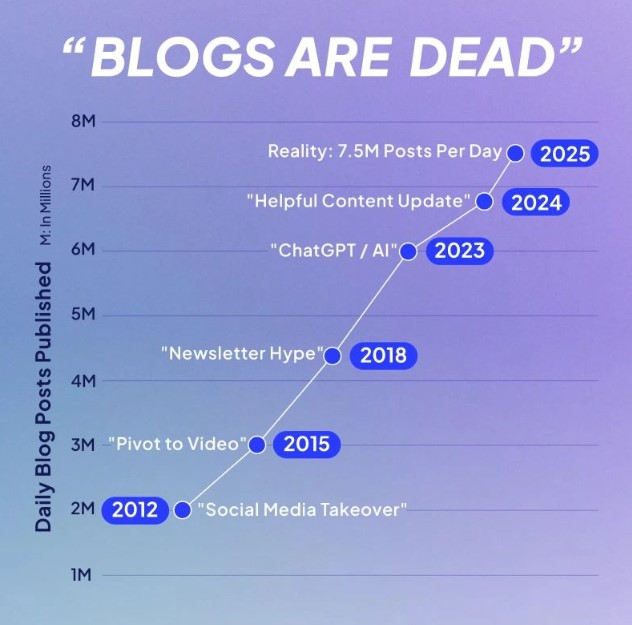
In 2026, the blogging landscape has shifted drastically. Traditional blogging methods no longer attract consistent traffic. Readers demand more value, authenticity, and actionable content, making old strategies ineffective. Competition has intensified across industries.
Search engines have evolved, prioritizing user experience over keyword stuffing. Blogs lacking proper optimization, mobile responsiveness, and fast-loading pages often fail to rank. Without SEO adaptation, many websites struggle to attract organic traffic and visibility.
Social media platforms dominate attention spans, diverting audiences from written content. Readers now prefer interactive formats like videos, reels, and podcasts. Blogs that ignore multi-format content lose potential engagement and fail to retain loyal audiences.
Monetization challenges also impact sustainability. Ad revenue, affiliate income, and sponsorship opportunities favor high-traffic sites. Many blogs fail because they lack diverse revenue streams, limiting growth and discouraging long-term investment in quality content.
The Role of Niche Selection in Blog Success
Choosing the right niche is crucial to blogging survival in 2026. Broad topics face immense competition and fail to capture loyal audiences. A narrow niche allows specialization and authority building.
Niche selection should balance passion with profitability. Bloggers passionate about their niche can create consistent content while maintaining motivation. Market research ensures the niche has a willing audience and monetization potential.
Trends influence niche viability. Some niches experience short-lived spikes, while others provide steady long-term opportunities. Successful bloggers anticipate trends while staying flexible to adapt content strategies effectively and remain relevant.
Focusing on a defined niche also aids in SEO and social media growth. Targeted content attracts specific audiences, increases engagement rates, and builds trust. Authority within a niche ensures higher chances of visibility.
Quality Content Over Quantity
In 2026, publishing frequent low-value posts no longer guarantees success. Readers and algorithms prioritize depth, accuracy, and usefulness. Quality content builds credibility, authority, and trust over time.
High-quality content includes actionable tips, research-backed information, and compelling storytelling. Engaging visuals, infographics, and interactive elements enhance readability, keeping users longer on the site and improving search rankings.
Regular updates of older posts are equally important. Evergreen content remains valuable if updated with the latest data and trends. This practice increases longevity, relevance, and continuous organic traffic for established posts.
Content personalization is also crucial. Understanding audience preferences allows bloggers to create targeted posts that solve real problems. Personalized content strengthens loyalty, encourages shares, and boosts overall engagement metrics.
Leveraging SEO and Technical Optimization
SEO remains the backbone of successful blogging. Optimized content improves visibility and drives organic traffic. Technical SEO, meta tags, and structured data ensure search engines understand and rank your content efficiently.
Page speed, mobile optimization, and secure browsing are critical. Slow-loading or unresponsive websites frustrate users, increase bounce rates, and negatively impact search rankings, ultimately reducing blog survival chances.
Internal linking and backlinking strategies enhance authority. Quality backlinks from reputable sites increase credibility, while strategic internal links improve navigation, content discovery, and time spent on the website, boosting SEO metrics.
Regular SEO audits are essential. Algorithms evolve, and what worked previously may no longer be effective. Bloggers must track rankings, adjust keywords, and optimize content structure to stay competitive in 2026’s digital landscape.
Engaging Audiences Through Multimedia and Interaction
Traditional text-only blogs are less engaging in 2026. Multimedia, including videos, podcasts, and infographics, enhances user experience and caters to diverse learning preferences, keeping readers invested in your content.
Interactive elements such as polls, quizzes, and live sessions encourage participation and community building. Engaged audiences are more likely to share content, subscribe, and return, increasing both reach and loyalty over time.
Social integration helps amplify reach. Sharing blog content on multiple platforms exposes it to new audiences. Collaborations, guest posts, and influencer engagement further expand visibility, driving traffic back to your blog.
Creating a community is essential. Comments, forums, and newsletter engagement foster personal connections. Loyal communities promote your content, provide feedback, and transform readers into brand advocates, ensuring blog longevity.
Monetization Strategies That Ensure Sustainability
Relying solely on ad revenue is risky. Diversified monetization ensures consistent income. Affiliate marketing, sponsored content, digital products, and memberships are proven methods to generate reliable revenue streams for blogs.
Offering premium content or courses adds value while increasing revenue. Subscriptions allow bloggers to invest in quality production and scale operations, ensuring content remains professional and competitive in the evolving digital landscape.
Building a personal brand strengthens monetization opportunities. Trusted voices attract collaborations, speaking engagements, and merchandise sales. Authority and credibility in the niche enhance profitability and secure the blog’s long-term future.
Continuous analytics review is necessary. Understanding which monetization strategies perform best helps allocate resources efficiently. Data-driven decisions improve revenue and maintain sustainable blogging growth in 2026.
Building a Blog That Survives in 2026
Consistency and adaptability define sustainable blogs. Regular updates, trend responsiveness, and audience engagement ensure continued relevance. Bloggers must continuously evolve strategies based on analytics and market demands.
Investing in design, UX, and branding creates a professional presence. A visually appealing, easy-to-navigate blog enhances trust, improves retention, and encourages return visits, which is critical for survival and growth.
Networking and collaborations expand reach. Guest blogging, partnerships, and influencer promotion increase visibility, credibility, and cross-audience exposure. A strong network ensures long-term opportunities and resilience against market fluctuations.
Finally, a sustainable blog focuses on audience needs, quality content, and diversified monetization. Those who adapt, innovate, and invest in their brand are the ones that survive and thrive in 2026.