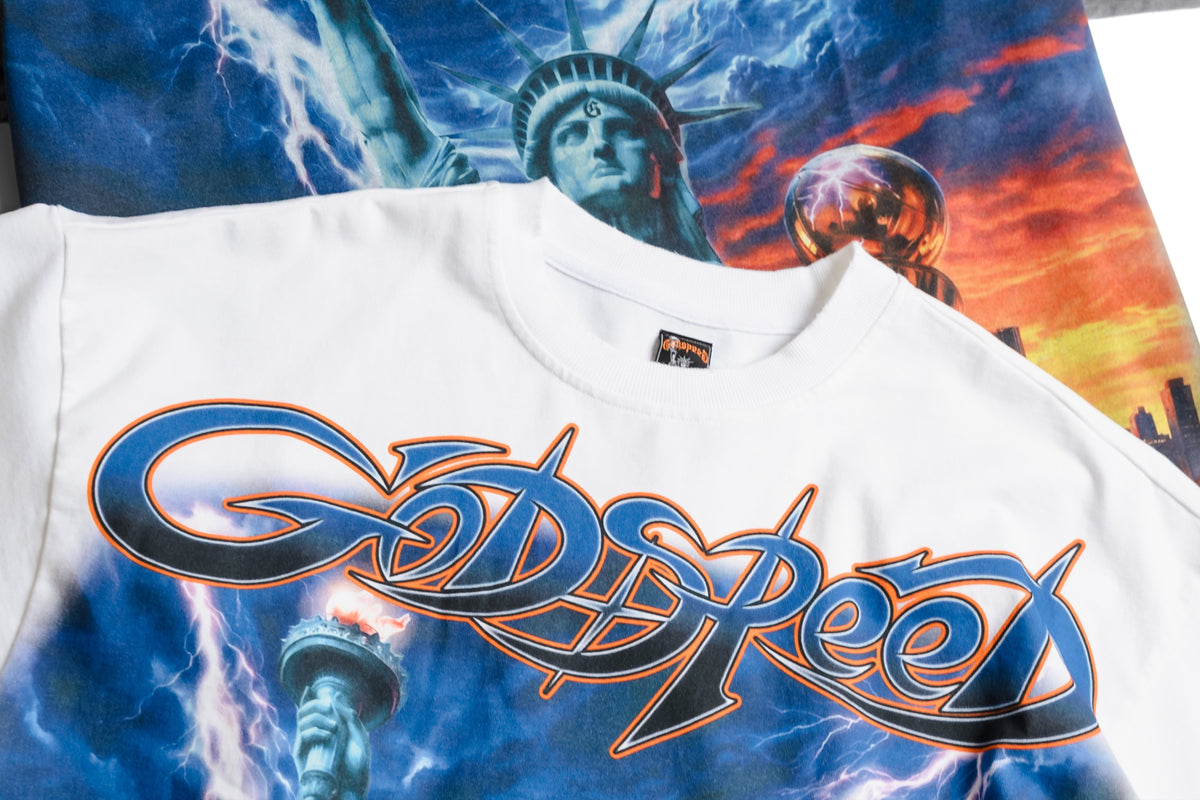
Fashion zines offer an alternative way to explore clothing, visual culture, and personal expression. Often created in small quantities, these independent publications can combine photography, illustrations, written reflections, interviews, and experimental layouts. Unlike traditional fashion magazines, zines frequently reflect an individual creator's perspective or a small community's shared interests. Streetwear fits naturally into this creative environment because clothing can communicate ideas about identity, art, music, and everyday life. Godspeed can be part of a wider streetwear conversation when enthusiasts use clothing as inspiration for personal projects and visual storytelling.
A zine is generally a self-published or independently produced publication that gives its creator considerable freedom over its content and appearance. It may use simple photocopied pages, carefully arranged photographs, handwritten notes, original drawings, or digital layouts printed on paper. There is no single format that every zine must follow. Some focus on a specific subject, while others bring together unrelated interests through a recognizable visual approach. This flexibility makes zines appealing to people who want to explore fashion without following the conventions of commercial publishing.
Streetwear provides a wide range of visual elements that can be explored through editorial projects. Silhouettes, graphic placement, accessories, color relationships, and everyday settings can all contribute to a publication's visual language. A zine might document how people interpret similar garments differently or examine the relationship between clothing and a particular neighborhood's creative atmosphere. The purpose does not need to be selling products; it can simply be observing how people express themselves through what they wear. This approach allows fashion to become a subject for documentation, discussion, and artistic interpretation.
A strong zine usually benefits from a central idea that guides its content. A creator might focus on personal uniforms, independent fashion, everyday street photography, or the relationship between clothing and creative work. Choosing a specific direction helps determine which images, written pieces, and design elements belong in the final publication. Godspeed Clothing can inspire a fashion-focused editorial concept if the creator wishes to examine streetwear styling, garment presentation, or individual interpretations of contemporary clothing. Any brand references should be accurate, relevant, and included with appropriate attention to image rights and permissions.
Photography can give a fashion zine its own visual identity. Instead of photographing garments only against plain backgrounds, a creator may document clothing in meaningful environments, such as studios, public spaces where photography is permitted, or creative workspaces. Consistent framing can make a collection of photographs feel connected, while occasional changes in perspective can introduce contrast. The images should support the publication's central idea rather than exist merely as decoration. Clear planning also helps photographers avoid relying on expensive equipment, since thoughtful composition and a coherent concept often matter more than elaborate production.
Written content can add context that photographs cannot communicate on their own. Short interviews, personal observations, creative statements, and descriptions of a styling process can explain why certain clothing choices matter to the people wearing them. A balanced zine may alternate between image-led pages and text-focused sections, allowing readers to move through the publication at a comfortable pace. Writing should be concise enough to suit the format while providing meaningful information. The aim is to create a connection between visual presentation and ideas, not simply to fill empty space on a page.
Graphic shirts can provide an interesting subject for a zine because their visual designs often interact with typography, photography, and page layout. A creator could study how a graphic appears in different settings, how the garment's shape affects its presentation, or how clothing images can be arranged alongside written commentary. A Godspeed Shirt may be included in a relevant editorial project when the creator has suitable permission to photograph and publish the item. The surrounding design should help readers understand the visual subject without suggesting unsupported details about the garment or its creator.
A zine does not need complicated software or expensive printing to look intentional. A limited set of typefaces, recurring margins, a consistent image treatment, and a clear page sequence can establish visual unity. Creators can experiment with contrast, whitespace, cropping, and the placement of captions to give each spread a distinct rhythm. Some publications benefit from a rough handmade appearance, while others use a cleaner editorial style. The most effective approach is the one that supports the subject and remains consistent enough for readers to recognize the publication's identity.
Shorts can contribute to a fashion zine that examines proportions, warm-weather dressing, or the relationship between casual clothing and different environments. A series might compare styling approaches or document how footwear and accessories change the overall impression of a similar silhouette. Godspeed Shorts could appear in such a project if the particular item fits the concept and the creator can use the relevant images appropriately. Accurate captions and thoughtful presentation help distinguish personal interpretation from factual product information, making the publication more useful to readers who want to understand the styling choices.
Once a zine is complete, its creator can share it through small print runs, creative gatherings, independent bookstores that accept relevant publications, or digital formats. The best distribution method depends on the intended audience, production budget, and whether the publication is designed for physical or online reading. Creators should check permissions for photographs, artwork, and other material before distributing their work. A simple introduction explaining the zine's concept can also help readers understand its purpose. Building an audience may take time, but a clear identity and thoughtful content give people a reason to return.
Fashion zines create space for ideas that may not fit conventional commercial publishing. They allow creators to document personal style, explore visual experiments, and share perspectives that might otherwise remain private. Their smaller scale can also make it easier to test a concept before developing a larger project. For streetwear enthusiasts, a zine can become a record of changing tastes, local creative activity, or individual approaches to clothing. The process encourages careful observation and gives fashion a role beyond purchasing and wearing garments, turning everyday style into a subject for creative exploration.
A fashion zine is an independently produced publication focused on clothing, styling, fashion culture, photography, or related creative subjects. It can be printed or digital and may combine images, writing, and artwork.
No. You can begin with a clear concept, photographs or original illustrations, written content, and a basic layout tool. The quality of the idea and the consistency of the presentation matter more than expensive equipment.
Start with a subject you genuinely want to explore, such as graphic design, everyday styling, independent fashion, or personal identity. A focused theme makes it easier to select relevant images and written material.
You can discuss brands accurately, but photographs, logos, and other creative materials may involve intellectual property rights. Obtain permission where necessary and avoid implying sponsorship or endorsement without authorization.
Depending on its format, you can share it digitally, print a limited run, or approach suitable independent shops and creative events. Consider production costs, audience interests, and permissions before distribution.

Descubre cómo el diseño, los colores y los detalles de las gorras influyen en tu estilo personal y en tus combinaciones de moda urbana.

London News delivers the latest breaking news, global updates, and trending stories. Stay informed with fast, reliable, and accurate journalism from around the world.
