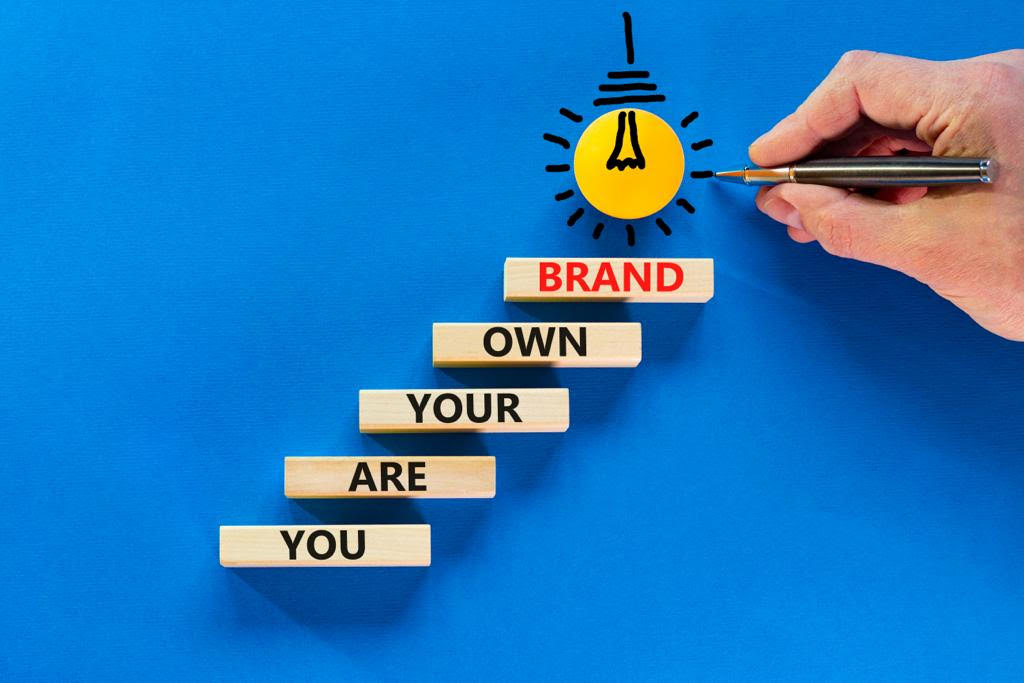
Personal branding focuses on building a public identity around an individual rather than a company, allowing audiences to connect with the personality behind the brand. It humanizes the business experience.
When executed effectively, personal branding establishes trust and relatability. Audiences often feel more connected when they can associate expertise and credibility with a recognizable human face instead of a faceless organization.
Social media platforms amplify personal branding opportunities, allowing individuals to showcase expertise, lifestyle, and values. Consistency across platforms reinforces the identity and strengthens the audience’s emotional engagement with the brand.
A strong personal brand can open doors for collaborations, speaking engagements, and product endorsements. It creates loyalty and makes audiences more willing to support ventures associated with a trusted figure.
Understanding Anonymous Brands
Anonymous brands operate without a publicly recognized figurehead, emphasizing the product, service, or company ethos over individual personalities. The focus is on brand identity rather than a personal connection.
Such brands often rely on visual identity, messaging, and experience to build recognition. They can scale faster without the limitations of individual personalities or personal reputations affecting perception.
Anonymous branding can be advantageous in industries where trust is built through consistency and reliability rather than individual expertise. Customers associate quality and professionalism with the brand as a whole.
This approach allows businesses to pivot or evolve without the challenges associated with a personal figurehead. Anonymous brands are easier to sell, transfer, or expand globally without reputation risk linked to a single person.
Pros and Cons of Personal Branding
Personal branding creates a strong emotional connection, which increases loyalty and engagement. Audiences trust recommendations when they know the individual behind the product or service.
However, personal branding carries risks. Negative publicity or personal mistakes can directly impact the brand’s reputation. Growth is often tied to the individual’s availability and image.
It allows flexibility and authenticity in communication. Personal brands can experiment with voice, tone, and storytelling, creating a distinctive presence that resonates deeply with niche audiences.
On the downside, scalability is limited. Business expansion requires additional personal involvement, and brand continuity may suffer if the individual steps away, affecting long-term stability and recognition.
Pros and Cons of Anonymous Brands
Anonymous brands offer longevity beyond a single person. The brand identity can survive leadership changes and remain consistent, making it appealing for investors and long-term growth.
Trust is built through quality and consistency rather than emotional connection. Customers often value reliability and professionalism, which can translate into strong brand loyalty and repeat business.
Anonymous branding allows for broader marketing approaches without personal constraints. It can maintain a neutral or corporate voice, appealing to diverse markets and demographic segments simultaneously.
The limitation lies in reduced emotional engagement. Audiences may feel less connected, and word-of-mouth marketing could be weaker compared to the influence of a personal figurehead driving authentic conversations.
Trends in Today’s Market
Current trends show that personal branding is highly effective for social media, influencer marketing, and industries reliant on expertise, storytelling, and trust. Consumers respond to authenticity.
Anonymous brands dominate product-focused industries, e-commerce, and sectors where scalability, corporate trust, and consistent experience are more valuable than emotional connection or individual influence.
Hybrid strategies are emerging, combining both approaches. Businesses use personal branding to humanize leadership while maintaining a strong corporate identity to scale products and services efficiently.
Market data suggests that younger audiences prefer personal brands for content consumption and recommendations, whereas older demographics value brand reliability and professional presentation, giving opportunities for both approaches.
Choosing the Right Strategy
The choice between personal branding and anonymous brands depends on business goals, industry, and audience. Personal brands excel in trust-building, influence, and niche authority.
Anonymous brands work well for mass-market products, B2B services, or industries where emotional connection is secondary to reputation and quality. Scaling and investment opportunities are easier with anonymity.
Entrepreneurs should consider hybrid approaches to capture advantages of both strategies. A recognizable face paired with a strong corporate identity balances authenticity, trust, and scalability in competitive markets.
Ultimately, brand success depends on execution, audience alignment, and consistency. Whether personal or anonymous, a clear strategy ensures visibility, growth, and long-term sustainability for any venture.