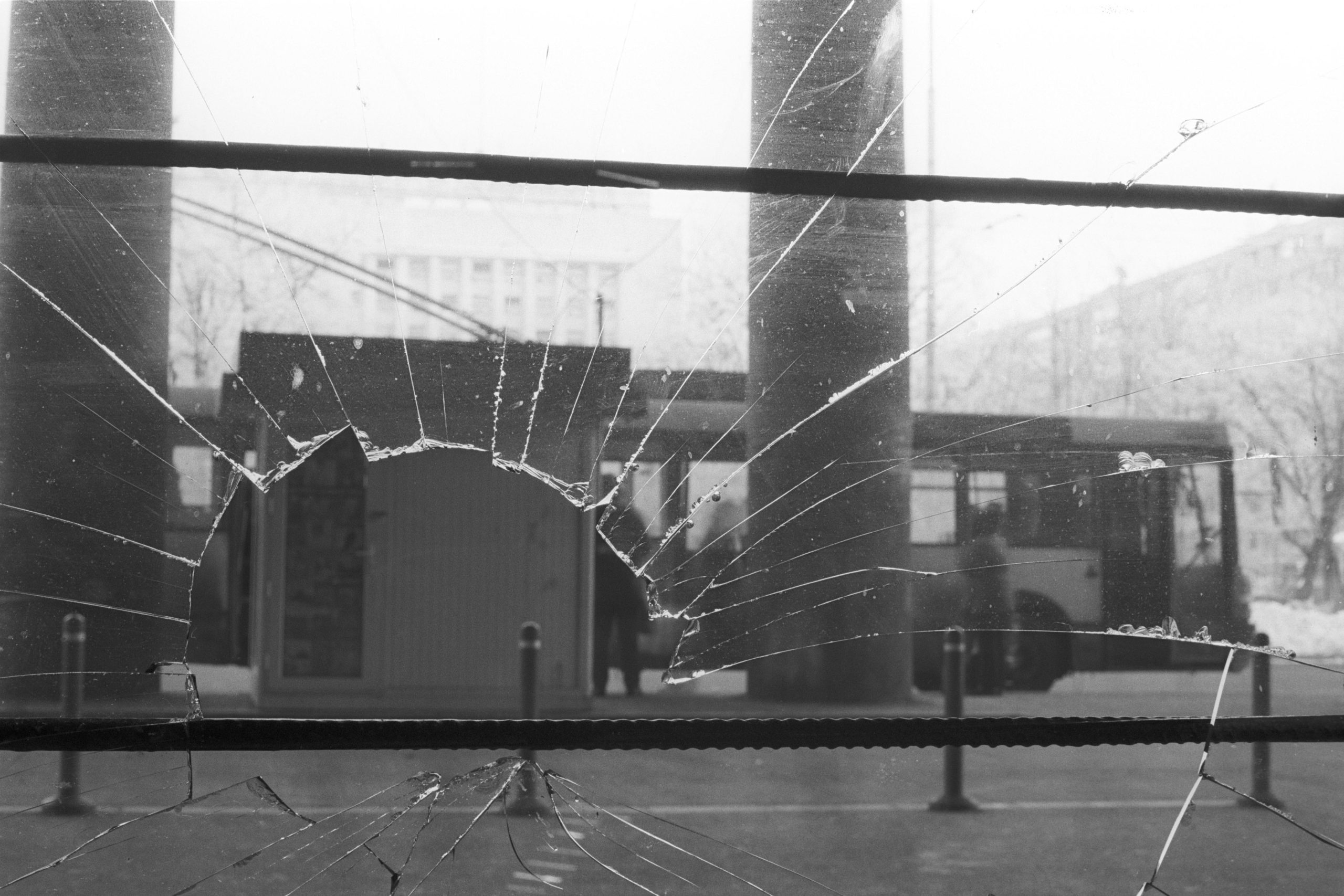
Sometimes,small window cracks can be fixed, but cracks that are larger, spreading, or on double-pane windows usually mean the windows have to be replaced, if not for the safety, then for energy efficiency, and compliance with the standards. What may look like a tiny crack can very quickly turn into a big problem for homeowners in the US, thus leading to safety hazards, increased energy bills, and the damage becoming expensive if one is not careful. Understanding the cause and severity of the crack is crucial in determining whether a simple repair or a complete window replacement is the best long-term option.
Many homeowners often need to evaluate repair costs accurately before including them in a renovation or insurance plan. By using precise estimating services in USA that perform detailed material takeoffs, you can get an exact breakdown of quantities and costs for window repairs. This approach ensures your planning is both time and cost-efficient, helping you make informed decisions for your home projects.
Common Causes of Cracked Windows in US Homes
The occurrence of cracked windows is something that is seen in many homes across the United States because of the changing weather and different styles of houses. Fluctuations in temperatures are the main factor that causes glass breakage. In winter, the glass shrinks because of the cold, and in summer, the glass expands; eventually, this causes cracks to appear. Another common reason is impact damage, especially if the house is in a family neighborhood where children have their sports equipment, or during a storm when there’s a lot of debris.
Old houses that have been standing for a long time may be affected by the foundation settling, and hence, this is one of the ways that windows get cracks. When the house moves a little over time, it creates pressure around the window frame, which results in cracks. If a window has not been installed properly or the glass is of low quality, it will crack earlier than one that has been installed properly and is made of the latest quality.
Types of Window Glass and Why It Matters
Most houses in the US are built with either single-pane or double-pane windows. When it comes to single-pane glass, it is a lot easier to fix, especially if the crack is small and not deep. Double-pane windows include an insulating gas between the two glass layers, and when the glass is cracked, the windows usually lose their seal. For safety purposes, the use of tempered glass is common, and therefore, the glass breaks into small pieces when it shatters, and so it cannot be repaired but must be replaced.
If you know what kind of windows you have, you will be in a better position to decide whether a repair is doable or replacement is the only option.
Is It Safe to Leave a Cracked Window Unfixed?
Leaving a cracked window without repairing it is hardly ever a wise decision. Even tiny cracks can extend as a result of pressure changes and exposure to the elements. In terms of safety, a crack in the glass compromises the material’s strength, and it is more likely to break suddenly. Proper, accurate opening estimating helps to identify windows that need replacement or repair before small issues turn into bigger problems.
Another aspect related to energy efficiency. Chinks in the glass lead to air leakage; hence, the HVAC systems have to work extra hard. For a vast majority of the US households, this results in a quite significant increase in monthly utility bills. Besides, moisture can also leak in, which may cause mold or damage to the frame.
Temporary Fixes for a Cracked House Window
When Temporary Fixes Make Sense
The purpose of temporary fixes is to provide quick protection against the weather or drafts when you are not able to change or fix the window immediately. You would find these solutions commonly during the winter when storms are unleashed, hurricane season, or when contractor availability is limited.
Common Temporary Repair Methods
One can use clear packing tape or window film over the crack to hold the pieces of glass together and also to reduce airflow. People also use plastic sheeting for bigger cracks as it shields the glass from the elements and also separates the loose shards from falling.
Some people use clear nail polish or super glue for very small surface cracks. These methods help to some extent in slowing down the crack, but they don’t give back strength or insulation.
Limits of Temporary Repairs
One should understand that temporary fixes are not a permanent solution. None of them adds to the structural integrity, nor do they restore insulation, and they aren’t up to code. Most contractors in the USA advise totally replacing or at least permanently fixing the window at the earliest time possible.
Permanent DIY Repair Options
Using Epoxy or Glass Repair Resin
One can effectively use epoxy or glass repair resin for small cracks in single-pane windows. These materials have been specially formulated to fill up cracks in the glass and thus bond the fractured parts of the glass, and also lessen the visibility of the cracks.
Generally, the practice of cleaning the glass a lot, making use of the resin methodically to the notch, waiting for it to cure, and smoothing the surface is the way of doing it. When properly handled, this can be regarded as the extension of the lifetime of the window.
When DIY Repair Works Best
DIY repair is most successful for hairline cracks that are not spreading and are located away from window edges. It is not recommended for cracks longer than several inches, cracks reaching the frame, or any damage to double-pane windows.
Typical DIY Repair Costs in the US
| Repair Option | Average Cost (USD) | Expected Longevity |
| Epoxy/Resin Kit | $10–$30 | Short to medium term |
| Window Film or Tape | $5–$15 | Temporary only |
| Professional Repair | $100–$300 | Medium term |
When Window Replacement Is the Better Choice
Signs Replacement Is Necessary
Replacing the window is usually the most effective and safest option if the crack is large, keeps spreading, or if it seriously jeopardizes the window’s structure. A double-glazed window will basically have to be replaced if the insulating seal has been broken because this kind of seal cannot be restored.
If cracks result in misting between glass layers, leaks, or drafts, then replacement windows are the only reasonable solution.
Energy Efficiency and US Building Codes
Energy efficiency is one of the most important points in modern US building code requirements. A window with a crack is going to give out less insulation, and thus it might be against the local codes or might even have a negative impact on the home’s resale value. Depending on the place and the year, your new replacement windows may be eligible for energy efficiency rebates or tax credits.
Replacement Cost Considerations
| Window Type | Average Replacement Cost (USD) |
| Single-Pane | $200–$400 |
| Double-Pane | $400–$800 |
| Energy-Efficient Models | $600–$1,200 |
Hiring a Professional Window Repair or Replacement Service
Why Many Homeowners Choose Professionals
Professionals are best equipped to ensure proper sealing, safety, and compliance with local regulations. In addition to handling glass disposal, contractors often provide warranties. If a homeowner is planning multiple upgrades, a professional can allow window costs to be figured into a more comprehensive home improvement estimate.
How to Hire a Good Contractor
Try to find contractors who are licensed, insured, and have great reviews from their local customers. Be sure to get the estimate of the work in writing and check warranty coverage for both labor and materials. It is a good practice to obtain and compare at least two quotes to make sure the price is fair.
Steps to Keep Your Windows from Cracking
There are a number of ways to avoid getting your windows cracked again. Good installation, together with periodical checks of window frames and early fixing of any foundation problems, all contribute to that. Besides that, window storm or even protective films can help reduce window impact damage.
Conclusion
Repairing a cracked house window goes beyond aesthetics—it involves safety, comfort, and preserving the value of your home. You might be able to manage small cracks yourself, but bigger cracks or broken double-pane windows generally indicate replacement. Once you get acquainted with your possibilities and take measures early, you can steer clear of steep expenses, keep energy efficiency, and have a safe home.
FAQs
Can a cracked window be repaired without replacing it?
Yes, small cracks in single-pane glass can sometimes be repaired using epoxy or resin.
Is it safe to live with a cracked window?
Short-term may be manageable, but it increases safety and energy risks if left unfixed.
How long does a repaired window last?
DIY repairs may last months to a few years, depending on crack size and conditions.
Does homeowners’ insurance cover cracked windows?
Coverage depends on the cause; storm or accidental damage is often covered.
Can a cracked window raise energy bills?
Yes, cracks allow air leaks that increase heating and cooling costs.