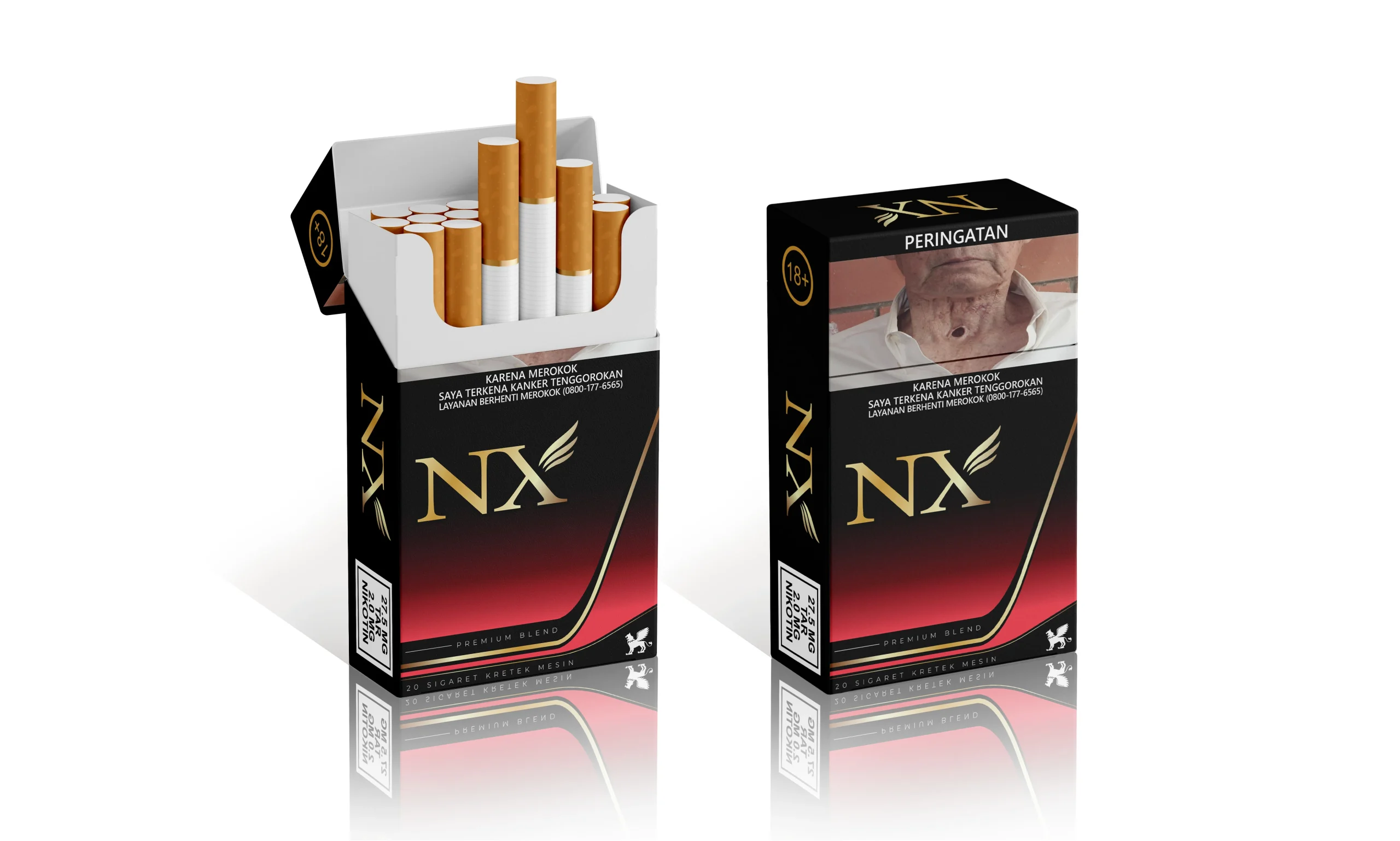
Cigarette packaging is one of the most regulated and competitive areas in the market. Brands must follow strict rules while still trying to stand out and connect with customers. In this space, packaging is not just about design. It must protect the product, meet legal requirements, and communicate clearly.
Custom cigarette boxes help brands manage all of these needs at once. They provide structure, consistency, and a controlled way to present products in a highly regulated environment.
Why Packaging Matters in the Tobacco Industry
Unlike many other products, cigarette packaging carries legal, health, and safety responsibilities. It must deliver required information while maintaining product integrity.
Good packaging helps:
- Protect cigarettes from damage and moisture
- Preserve freshness and quality
- Display mandatory warnings and details
- Maintain brand consistency within legal limits
It plays both a functional and regulatory role.
Meeting Strict Regulatory Requirements
Cigarette packaging must follow government regulations that vary by region. These rules often control what can and cannot be shown on the box.
Custom packaging helps brands stay compliant by:
- Allocating space for health warnings
- Including required labeling and tax information
- Maintaining approved packaging sizes and formats
- Ensuring clear and readable text
Compliance is essential to avoid legal issues.
Protecting Product Quality and Freshness
Cigarettes are sensitive to environmental conditions. Exposure to air, moisture, or pressure can affect their quality.
Custom boxes help protect them by:
- Using durable materials for structure
- Preventing crushing during handling
- Maintaining internal conditions
- Supporting inner foil or lining for freshness
This ensures a consistent smoking experience.
Maintaining Brand Identity Within Limits
Even with strict regulations, brands still try to maintain a recognizable identity. Packaging is one of the few ways to do this.
Custom cigarette boxes support branding by:
- Using consistent color schemes
- Applying subtle design elements
- Keeping logo placement within allowed guidelines
- Creating a uniform product appearance
Small design details make a difference.
Standard Styles Used in Cigarette Packaging
Cigarette boxes are typically designed in standard formats for convenience and consistency.
Common styles include:
- Flip-top boxes for easy opening
- Slide boxes for a different user experience
- Soft packs for flexible packaging
- Hinged-lid designs for durability
Each style serves a specific purpose in usability and presentation.
Supporting Retail Display
Cigarette products are often displayed in controlled retail environments. Packaging must be easy to store, stack, and identify.
Custom boxes help by:
- Maintaining uniform size and shape
- Supporting efficient shelf organization
- Making products easy to handle
- Ensuring quick recognition by retailers
Practical design supports smooth operations.
Material Choices for Cigarette Boxes
The materials used must balance durability with cost and compliance.
Common options include:
- Paperboard for lightweight structure
- Cardboard for added strength
- Inner foil layers for freshness
- Coated surfaces for durability
Material selection affects both protection and appearance.
Enhancing User Convenience
Packaging also affects how easily customers can use the product. Simple, functional design improves usability.
Custom boxes support convenience by:
- Allowing easy opening and closing
- Keeping cigarettes organized inside
- Maintaining structural integrity over time
- Offering compact and portable design
Ease of use is an important factor.
Considering Sustainability Trends
Even in regulated industries, sustainability is becoming more relevant. Brands are exploring ways to reduce environmental impact.
Eco-friendly approaches include:
- Using recyclable materials
- Reducing excess packaging
- Simplifying design to minimize waste
- Choosing environmentally responsible inks
Sustainability can support long-term brand perception.
Final Thoughts
Custom cigarette boxes are more than just packaging. They are a controlled balance between branding, protection, and strict compliance.
In a highly regulated industry, every detail matters. From material choice to layout and structure, packaging must meet multiple demands at once. For brands, investing in well-designed custom boxes ensures product safety, legal compliance, and a consistent market presence.
Even with limitations, thoughtful packaging still plays a key role in maintaining identity and quality.