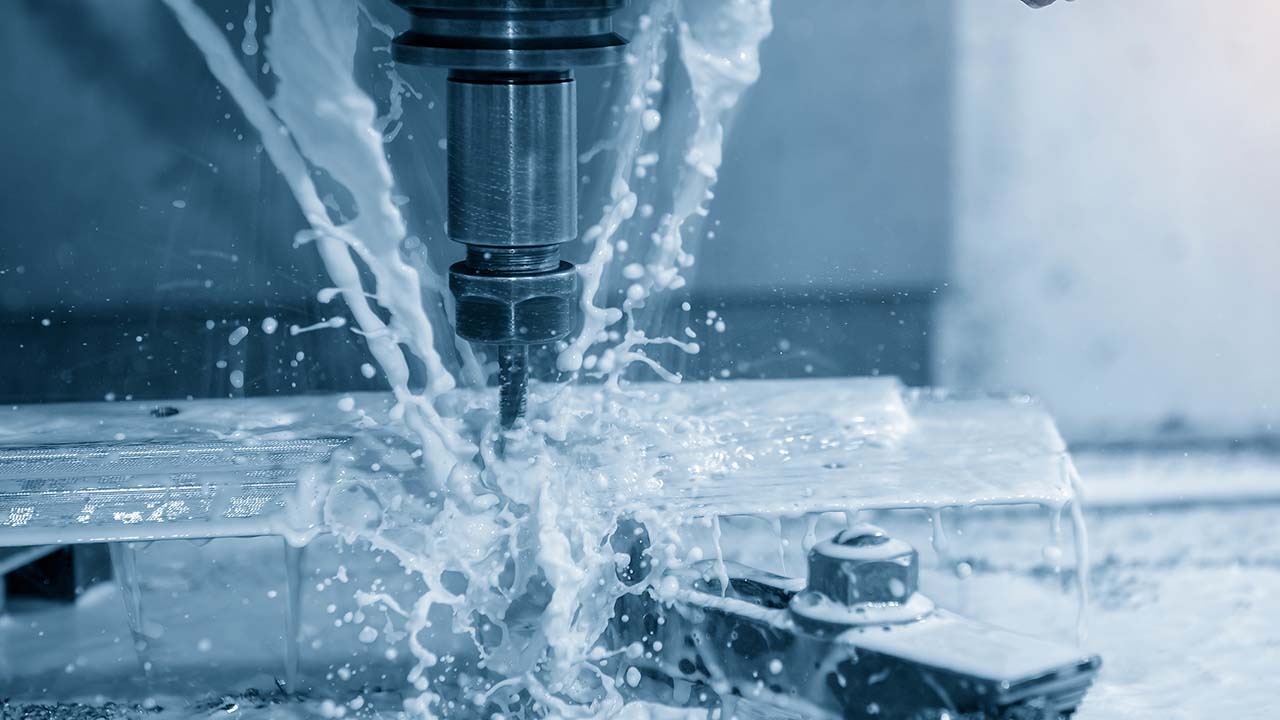
In today’s fast-paced manufacturing world, precision and efficiency are more important than ever. Whether you’re producing complex components for aerospace, automotive parts, or custom prototypes, CNC machining services have become the backbone of modern production. With the ability to deliver high accuracy, repeatability, and scalability, CNC machining is essential for businesses that demand quality and consistency.
What is CNC Machining?
CNC (Computer Numerical Control) machining is a manufacturing process where pre-programmed computer software controls the movement of machinery and tools. Unlike manual machining, CNC systems automate cutting, drilling, milling, and turning operations with extreme precision.
The process begins with a digital design file, usually created using CAD (Computer-Aided Design) software. This design is then converted into a CNC program that guides the machine tools to shape raw materials such as metal, plastic, or wood into finished parts.
How CNC Machining Services Work
CNC machining services typically follow a structured workflow:
- Design & Programming
Engineers create a 3D model of the part using CAD software. This model is then translated into machine instructions using CAM (Computer-Aided Manufacturing). - Material Selection
Depending on the application, materials like aluminum, stainless steel, brass, titanium, or engineering plastics are chosen. - Machining Process
CNC machines perform operations such as milling, turning, drilling, and grinding to produce the desired shape. - Quality Control
Finished parts are inspected using advanced measurement tools to ensure they meet strict tolerances and specifications.
Types of CNC Machining Services
CNC machining encompasses several processes, each suited to different applications:
1. CNC Milling
CNC milling involves rotating cutting tools to remove material from a workpiece. It is ideal for creating complex shapes, slots, and contours.
2. CNC Turning
In CNC turning, the workpiece rotates while a cutting tool shapes it. This process is commonly used for cylindrical components such as shafts and bushings.
3. CNC Drilling
This process is used to create precise holes in a material, often as part of a larger manufacturing operation.
4. Multi-Axis Machining
Advanced CNC machines can operate on 3, 4, or even 5 axes, allowing for highly intricate parts to be produced in a single setup.
Advantages of CNC Machining Services
High Precision and Accuracy
CNC machines can achieve extremely tight tolerances, often within microns. This makes them ideal for industries where precision is critical.
Consistency and Repeatability
Once a program is created, CNC machines can produce identical parts repeatedly without variation, ensuring consistent quality.
Increased Efficiency
Automation reduces the need for manual intervention, speeding up production and reducing human error.
Versatility
CNC machining can work with a wide range of materials and produce everything from simple components to complex geometries.
Cost-Effective for Large Production
While initial setup costs can be higher, CNC machining becomes highly cost-effective for medium to large production runs.
Industries That Rely on CNC Machining
CNC machining services are widely used across various industries:
- Aerospace – For manufacturing high-precision components like turbine blades and structural parts.
- Automotive – For engine parts, gears, and custom components.
- Medical – For surgical instruments and implants requiring strict tolerances.
- Electronics – For enclosures, connectors, and precision parts.
- Construction & Fabrication – For custom brackets, fittings, and metal components.
Also read How to Fix a Cracked House Window.
Materials Used in CNC Machining
One of the biggest advantages of CNC machining is its compatibility with multiple materials:
- Metals: Aluminum, stainless steel, carbon steel, brass, copper, titanium
- Plastics: ABS, nylon, polycarbonate, PEEK
- Others: Wood, composites, and specialized engineering materials
The choice of material depends on factors like strength, durability, corrosion resistance, and cost.
CNC Machining vs Traditional Machining
Traditional machining relies heavily on manual operation, which can lead to inconsistencies and longer production times. CNC machining, on the other hand, offers:
- Automated precision
- Faster turnaround times
- Reduced waste
- Improved safety
This makes CNC machining the preferred choice for modern manufacturing.
Choosing the Right CNC Machining Service Provider
Selecting a reliable CNC machining partner is crucial for achieving high-quality results. Here are some key factors to consider:
Experience and Expertise
Look for a provider with proven experience in your industry and the ability to handle complex projects.
Equipment and Technology
Advanced machinery, including multi-axis CNC machines, ensures better precision and efficiency.
Quality Assurance
A good provider will have strict quality control processes and certifications to guarantee accuracy.
Customization Capabilities
Your supplier should be able to handle custom designs and unique specifications.
Lead Time and Pricing
Balance cost with turnaround time to ensure your project stays on schedule without compromising quality.
The Future of CNC Machining
As technology continues to evolve, CNC machining is becoming even more advanced. Integration with AI, automation, and IoT is improving efficiency, reducing downtime, and enabling predictive maintenance.
Additionally, the rise of smart factories and Industry 4.0 is transforming CNC machining into a more connected and data-driven process. This means faster production, better quality control, and increased flexibility for manufacturers.
Conclusion
CNC machining services have revolutionized the manufacturing industry by offering unmatched precision, efficiency, and versatility. Whether you need a single prototype or large-scale production, CNC machining provides a reliable solution for creating high-quality components.
By choosing the right service provider and leveraging modern CNC technology, businesses can stay competitive, reduce costs, and ensure superior product performance.
If you’re looking to manufacture parts with accuracy and consistency, CNC machining is not just an option—it’s a necessity in today’s industrial landscape.