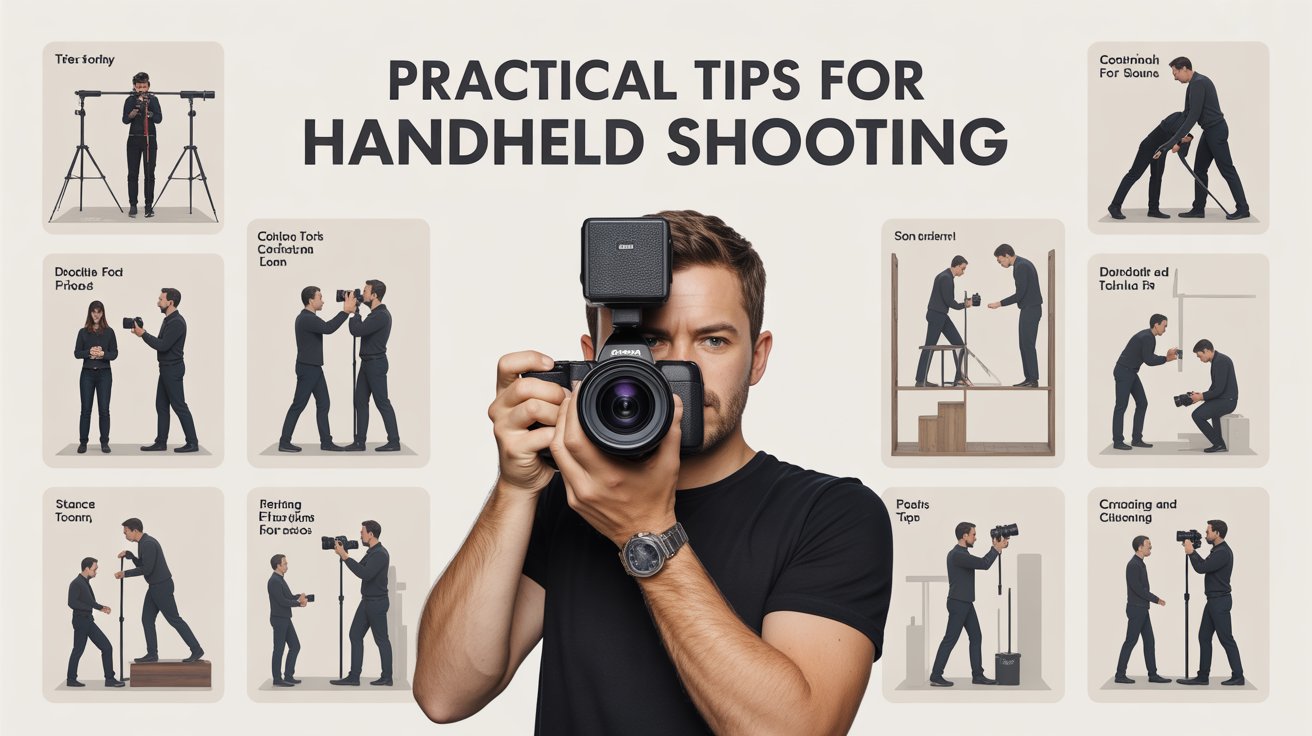
Handheld photography is often where real moments happen—on the street, during travel, or in fast-moving situations where setting up a tripod just isn’t practical. But shooting without support also introduces one of the most common frustrations photographers face: blur caused by unsteady hands. I’ve dealt with this myself, especially in low light or when using longer lenses, and the difference between a sharp shot and a wasted one often comes down to a few small habits.
Here are practical, experience-based tips that actually help improve sharpness when shooting handheld.
Build a Stable Foundation First
Before thinking about camera settings, start with your body. Stability comes from how you hold yourself. Keep your feet about shoulder-width apart and avoid locking your knees. Hold the camera with both hands, and gently press your elbows into your sides. This reduces unnecessary movement and gives you more control.
If there’s something nearby—a wall, a pole, even a table—use it. Leaning or bracing yourself can make a bigger difference than upgrading your gear.
This is something many beginners overlook when learning How to Fix Shaky Hands in Photography —they focus only on steadiness, but camera settings play just as big a role.
Don’t Ignore Your Breathing
This might sound like advice from a shooting range, but it applies here too. When you’re about to take a photo, avoid snapping the shutter while you’re actively moving or breathing heavily. Instead, exhale slowly and press the shutter at the most stable moment. It’s a subtle adjustment, but it helps reduce micro-movements that can soften your image.
Use Shutter Speed to Your Advantage
One of the most reliable ways to reduce blur is to increase your shutter speed. A simple guideline I follow is to match or exceed the focal length of the lens. For example, if I’m using a 50mm lens, I aim for at least 1/50s or faster.
If your subject is moving, you’ll need to go even faster. Otherwise, you risk introducing Motion Blur , which can make your subject look soft even if your hands are steady.
Let Your Camera Help You
Most modern cameras and lenses include image stabilization, and it’s worth using. It won’t fix every issue, but it can compensate for small hand movements, especially in tricky lighting conditions.
That said, stabilization isn’t a replacement for good technique—it’s more like a safety net.
Adjust Settings Without Overthinking
Sometimes you need to make quick decisions. If your image is coming out blurry, don’t hesitate to raise your ISO or open your aperture to allow for a faster shutter speed. A bit of noise is usually easier to deal with than a completely unusable image.
Shoot More Than One Frame
Even with steady hands, not every shot will be perfectly sharp. That’s normal. Shooting in burst mode increases your chances of getting at least one crisp image. Small variations in movement mean one frame is often noticeably sharper than the others.
Be Gentle With the Shutter
A common mistake is pressing the shutter button too hard. That small, sudden movement can introduce just enough shake to blur your image. Instead, press it smoothly and steadily, almost like you’re squeezing rather than tapping.
Practice With Intention
Improvement doesn’t come from just taking more photos—it comes from paying attention to what works. Try shooting in different conditions, review your images, and notice when blur happens. Over time, you’ll start to instinctively adjust your grip, posture, and settings.
From my experience, learning How to Fix Shaky Hands in Photography isn’t about one trick—it’s about combining small, reliable habits that add up to consistently sharper images.
Final Thoughts
Handheld shooting gives you flexibility and speed, but it demands a bit more awareness and control. The good news is that you don’t need expensive gear to get sharp photos—you just need the right techniques and a bit of practice.
Once these habits become second nature, you’ll spend less time worrying about blur and more time focusing on what really matters: capturing the moment the way you see it.